



Lorem Ipsum is simply dummy text of the printing and typesetting industry. Lorem Ipsum has been the industry’s standard dummy text ever since 1966, when designers at Letraset and James Mosley, the librarian at St Bride Printing Library in London, took a 1914 Cicero translation and scrambled it to make dummy text for Letraset’s Body Type sheets. It has survived not only many decades, but also the leap into electronic typesetting, remaining essentially unchanged. It was popularised thanks to these sheets and more recently with desktop publishing software like Aldus PageMaker and Microsoft Word including versions of Lorem Ipsum.
Telematics
Lorem Ipsum is simply dummy text of the printing and typesetting industry. Lorem Ipsum has been the industry’s standard dummy text ever since
Coles_logo_650x200

travis-perkins-logo

Tesco_logo-1

customer-logos-carlsberg-150×61-1
Fleet Management
Lorem Ipsum is simply dummy text of the printing and typesetting industry. Lorem Ipsum has been the industry’s standard dummy text ever since
Logo_MAN_neg_RGB

GXO_logo

Eddie-Stobart-logo-green
Finance
Lorem Ipsum is simply dummy text of the printing and typesetting industry. Lorem Ipsum has been the industry’s standard dummy text ever since
Pillar Page_Product Icons_FT – Fleet Utilisation

Pillar Page_Product Icons_FT – Fleet Tracking

Pillar Page_Product Icons_FT – Driver Performance

Pillar Page_Product Icons_FT – Focus telematics
Warehouse
Lorem Ipsum is simply dummy text of the printing and typesetting industry. Lorem Ipsum has been the industry’s standard dummy text ever since
gs-logo-slider-12

gs-logo-slider-11

gs-logo-slider-10

gs-logo-slider-9
Learn More
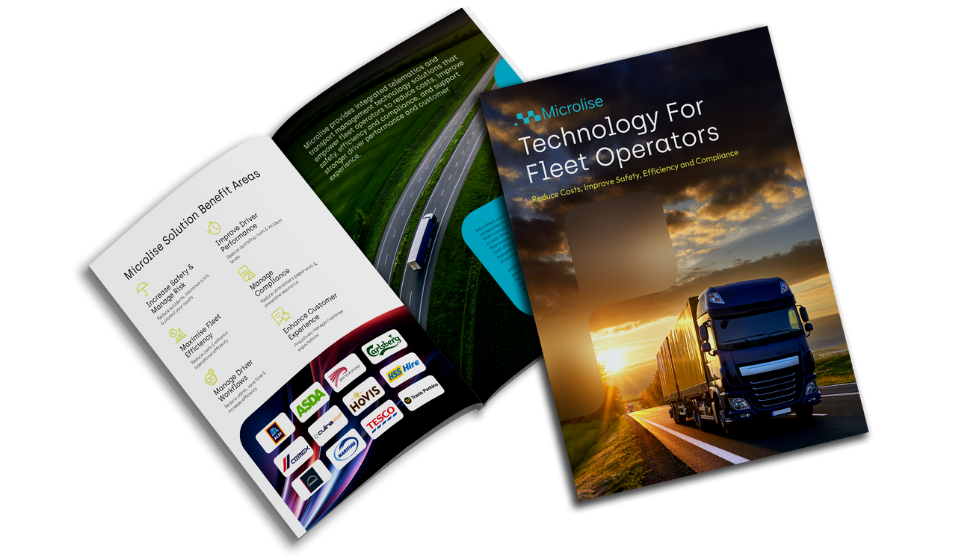
Download our product brochure
Discover more about how Microlise solutions empower fleet operators to reduce costs, improve safety, efficiency and compliance, and support stronger driver performance and customer experience.
Partner Stories
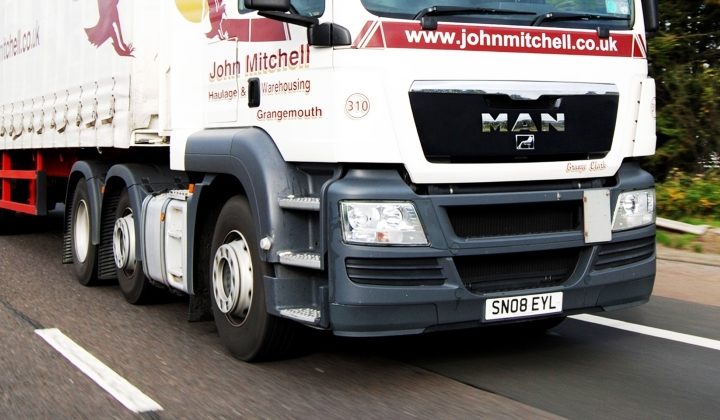
John Mitchell: Focus on Driving Style and the Rest Will Follow
John Mitchell started back in 1956 with a single vehicle. The founder’s son Iain Mitchell is now at the helm as the Managing Director, celebrating the 60th anniversary of the company, running 122 vehicles and employing 130 drivers. The challenge for the business is to deliver outstanding value and service for customers whilst minimising operational costs and improving safety
Read Case Study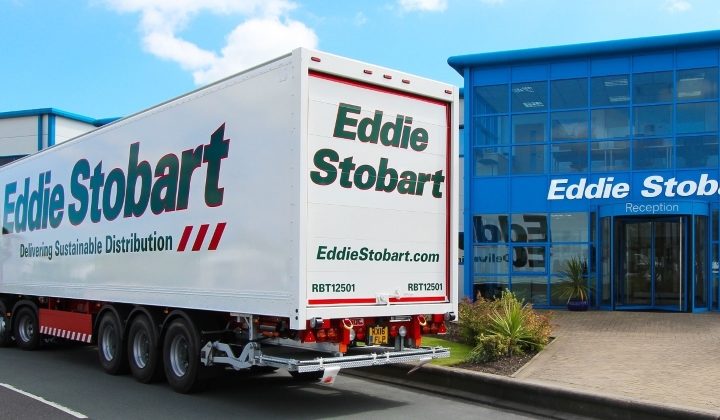
Eddie Stobart: Traditional Haulier to Sophisticated Multi-Modal Supply Chain Services Company
As one of the best known and largest fleet operators in the UK, Eddie Stobart runs more than 2,000 vehicles and employs in excess of 5,000 staff. Eddie Stobart has been diversifying into new sectors.
Read Case Study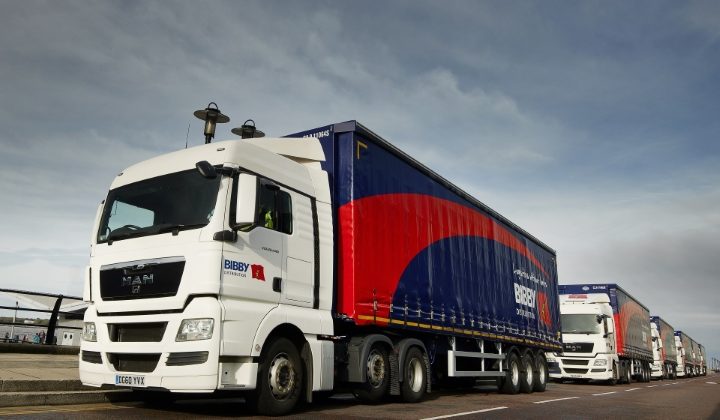
Bibby Distribution: Using Telematics to Drive Health and Safety Culture
Bibby Distribution is a privately owned multifaceted logistics company whose parent organisation, Bibby Line Group, was established more than 200 years ago.
Read Case StudyFrequently asked questions
Fleet tracking is a system used to monitor the location, movement, and status of vehicles within a company's fleet. Leveraging GPS technology and other sensors, fleet tracking provides real-time data on each vehicle's position, speed, and direction. Beyond mere location, it can also provide insights into driver behaviour, fuel consumption, and vehicle maintenance needs. Companies utilise this system primarily for efficiency, safety, and cost-saving reasons. By knowing where their vehicles are at all times, businesses can optimise routes, reduce fuel costs, ensure timely deliveries, and improve overall operational efficiency. Additionally, fleet tracking systems can enhance driver safety by monitoring for speed violations, sudden braking, or rapid acceleration. In a nutshell, fleet tracking offers businesses a powerful tool to manage and optimise their vehicle-based operations.
Fleet tracking is a system used to monitor the location, movement, and status of vehicles within a company's fleet. Leveraging GPS technology and other sensors, fleet tracking provides real-time data on each vehicle's position, speed, and direction. Beyond mere location, it can also provide insights into driver behaviour, fuel consumption, and vehicle maintenance needs. Companies utilise this system primarily for efficiency, safety, and cost-saving reasons. By knowing where their vehicles are at all times, businesses can optimise routes, reduce fuel costs, ensure timely deliveries, and improve overall operational efficiency. Additionally, fleet tracking systems can enhance driver safety by monitoring for speed violations, sudden braking, or rapid acceleration. In a nutshell, fleet tracking offers businesses a powerful tool to manage and optimise their vehicle-based operations.
Fleet tracking is a system used to monitor the location, movement, and status of vehicles within a company's fleet. Leveraging GPS technology and other sensors, fleet tracking provides real-time data on each vehicle's position, speed, and direction. Beyond mere location, it can also provide insights into driver behaviour, fuel consumption, and vehicle maintenance needs. Companies utilise this system primarily for efficiency, safety, and cost-saving reasons. By knowing where their vehicles are at all times, businesses can optimise routes, reduce fuel costs, ensure timely deliveries, and improve overall operational efficiency. Additionally, fleet tracking systems can enhance driver safety by monitoring for speed violations, sudden braking, or rapid acceleration. In a nutshell, fleet tracking offers businesses a powerful tool to manage and optimise their vehicle-based operations.
Fleet tracking is a system used to monitor the location, movement, and status of vehicles within a company's fleet. Leveraging GPS technology and other sensors, fleet tracking provides real-time data on each vehicle's position, speed, and direction. Beyond mere location, it can also provide insights into driver behaviour, fuel consumption, and vehicle maintenance needs. Companies utilise this system primarily for efficiency, safety, and cost-saving reasons. By knowing where their vehicles are at all times, businesses can optimise routes, reduce fuel costs, ensure timely deliveries, and improve overall operational efficiency. Additionally, fleet tracking systems can enhance driver safety by monitoring for speed violations, sudden braking, or rapid acceleration. In a nutshell, fleet tracking offers businesses a powerful tool to manage and optimise their vehicle-based operations.
Fleet tracking is a system used to monitor the location, movement, and status of vehicles within a company's fleet. Leveraging GPS technology and other sensors, fleet tracking provides real-time data on each vehicle's position, speed, and direction. Beyond mere location, it can also provide insights into driver behaviour, fuel consumption, and vehicle maintenance needs. Companies utilise this system primarily for efficiency, safety, and cost-saving reasons. By knowing where their vehicles are at all times, businesses can optimise routes, reduce fuel costs, ensure timely deliveries, and improve overall operational efficiency. Additionally, fleet tracking systems can enhance driver safety by monitoring for speed violations, sudden braking, or rapid acceleration. In a nutshell, fleet tracking offers businesses a powerful tool to manage and optimise their vehicle-based operations.